Working holidays in Miyazaki Prefecture offer a unique opportunity to experience the beauty and culture of rural Japan while gaining valuable work experience. First, though, check that you can get the visa: Japan’s working holiday scheme is only open to young people from countries and regions that have an agreement with Japan.
Who can get a working holiday visa
The scheme is bilateral. As of 1 November 2026 Japan has working holiday agreements with 33 countries and regions, according to the Ministry of Foreign Affairs (MOFA):
Australia, New Zealand, Canada, South Korea, France, Germany, the United Kingdom, Ireland, Denmark, Taiwan, Hong Kong, Norway, Portugal, Poland, Slovakia, Austria, Hungary, Spain, Argentina, Chile, Iceland, the Czech Republic, Lithuania, Sweden, Estonia, the Netherlands, Uruguay, Finland, Latvia, Luxembourg, Malta, Italy and Panama.
The United States is not on the list, so US citizens cannot get a Japanese working holiday visa. The same goes for every other country that is not listed. The list grows from time to time (Malta, Italy and Panama joined in 2026), so check MOFA’s page for the current one.
The main conditions, from the same MOFA page:
- Age 18 to 30 when you apply. For Australia, Canada and South Korea the agreement says 18 to 25, extended to 30 where the authorities of both countries agree; the Japanese embassy in your country says which applies to you.
- You live in your own country when you apply, and apply at the Japanese embassy or consulate there (in Taiwan, at the Japan-Taiwan Exchange Association). Hong Kong applicants need an HKSAR or British National (Overseas) passport.
- The main purpose of the stay is a holiday. Work is allowed only as a way to top up your travel funds.
- No dependants or children come with you.
- You hold a valid passport, a return ticket or the money to buy one, and enough funds to support yourself at the start of the stay.
- You are in good health.
- You have not had a Japanese working holiday visa before. Exceptions were introduced between December 2024 and February 2026: nationals of Canada, the United Kingdom, New Zealand, Denmark, Austria, Germany, Ireland, Slovakia and South Korea, and people from Taiwan, can now take part twice in a lifetime.
Some agreements have a yearly limit on visas (for example 6,283 for Canada, 6,000 for the United Kingdom, 1,800 for France and 800 for Ireland, as of November 2026); others, such as Australia, New Zealand and Germany, have none. Documents, fees and the length of stay differ from country to country, so the page of the Japanese embassy in your country is the one to follow.
What work is allowed
You may take ordinary jobs to supplement your travel money. You may not work in bars, cabarets, nightclubs, gambling establishments or other businesses “affecting public morals”. MOFA is blunt about it: doing so breaks immigration law and leads to deportation.
Once you have found a place to live, register your address at the city or town office within 14 days.
Why Miyazaki
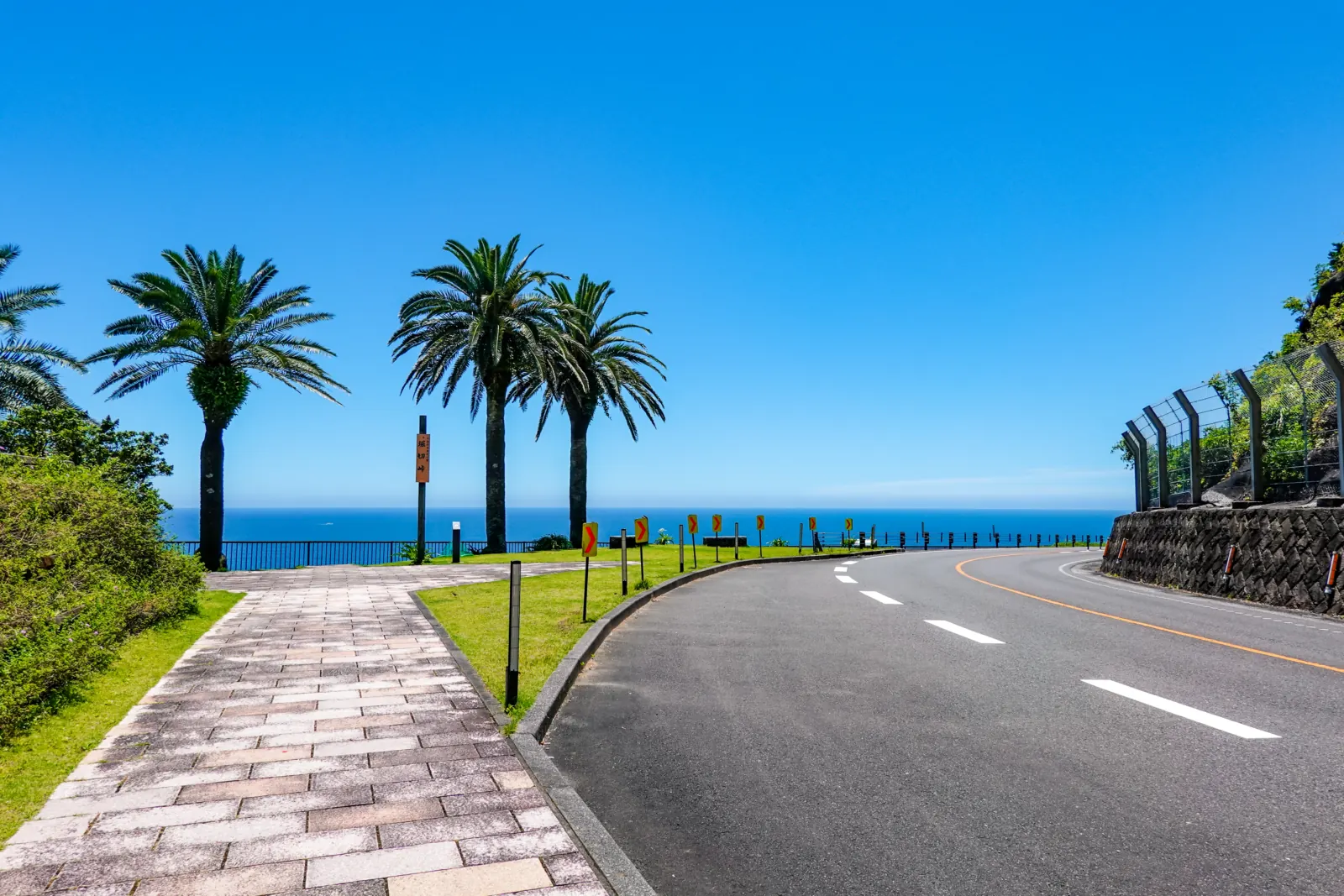
Located on the southern island of Kyushu, Miyazaki is known for its mild climate and stunning natural landscapes. The prefecture is home to towering mountains, rocky coastlines, and lush forests, making it a great destination for outdoor enthusiasts.
Miyazaki is also home to many delicious local delicacies and food specialties. The prefecture is known for its juicy mangoes, as well as its succulent beef, including the renowned Miyazaki beef. You’ll have the opportunity to try all of these and more during your working holiday in Miyazaki.
Finally, a working holiday in Miyazaki is a great opportunity to live and travel in a less known part of Japan. Miyazaki City has an airport with daily flights to Tokyo, Fukuoka, Osaka and more. Highway Buses are an affordable way to travel with stops along the prefecture.
Work in Miyazaki
One of the key attractions of a working holiday in Miyazaki is the opportunity to work on a farm and learn about the region’s agriculture. Miyazaki is known for its mangoes, including the fully ripe “Taiyo no Tamago” mango, which is popular nationwide. The prefecture is also Japan’s largest producer of cucumbers, and grows green peppers and tomatoes all year round.
In addition to farming, other types of work are possible on a working holiday, including hospitality, retail, and teaching English.
Finding work and a place to stay
There is no official placement programme. MOFA says it does not cooperate with any organisation in running the working holiday scheme, and warns against companies that claim to help you obtain the visa. What does exist:
- Hello Work (ハローワーク), the public employment offices, which working holiday makers may use. There are offices across Miyazaki Prefecture. Only some Hello Work offices in Japan have interpreters, so ask before you go or bring someone who speaks Japanese.
- Fukuoka Employment Service Center for Foreigners, the nearest of the four Hello Work centres for foreign job-seekers that MOFA points to (the others are in Tokyo, Nagoya and Osaka).
- Miyazaki Support Center for Foreign Residents in the basement of Carino Miyazaki in Miyazaki City (Tuesday to Saturday, 10:00 to 19:00, as of November 2026). It is run by the Miyazaki International Foundation and gives advice on daily life in several languages. It is not a job agency.
- For farm work, see the farm stay page.
Life outside work
A working holiday in Miyazaki also leaves plenty of time for leisure. The long coastline has surf spots for every level, the mountains have hiking trails, and there are hot springs (onsen) across the prefecture where you can unwind after a day of work or exploring.
It is also a good way to practise Japanese and to see the daily life, local festivals and customs of rural Japan from the inside.
Links
- The Working Holiday Programmes in Japan (MOFA): the official list of partner countries, conditions and embassy links
- Japan Association for Working Holiday Makers: a private association with a consultation service and a job board. It is not part of the government scheme.